Beneath the Turn-Up: The Case for Taking Socks Seriously
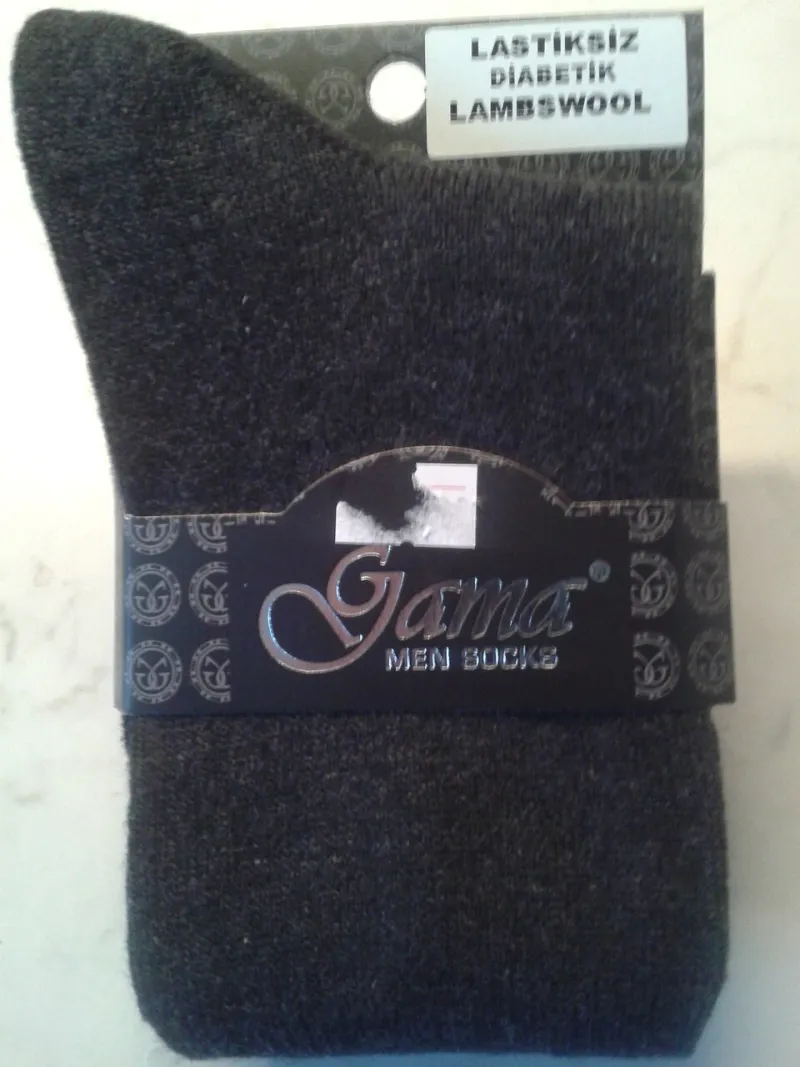
Photo: E4024, CC BY-SA 4.0, via Wikimedia Commons
There is a peculiar blind spot in the modern British gentleman's wardrobe, and it sits roughly four inches above the ankle. We will agonise over the selvedge of a denim hem, spend a month's coffee budget on a Goodyear-welted derby, and then pull on a pair of socks so worn that the heel has thinned to translucent gauze. It is the sartorial equivalent of hanging a priceless painting on a damp wall.
The argument for investing below the turn-up is not vanity. Quite the opposite: socks are the most private garment a man owns, and how he treats them reveals more about his standards than any visible flourish ever could.
The Invisible Test of Character
Consider the moments a sock is actually seen. The shoe comes off at a friend's hallway in Muswell Hill. The trouser leg rides up on a rush-hour Northern line carriage. A hotel room in Manchester, a beach in Cornwall, a dentist's chair in Leeds. These are the unguarded moments, the ones no outfit can rehearse for, and they are judged with merciless honesty.
A man in a fine coat and holey socks has made a decision: appearance over substance. A man in the reverse position — plain clothes, impeccable hose — has made a quieter, more admirable one. The sock, in short, is where the performance of style ends and the practice of it begins.
The White Sports Sock Problem
Let us deal with the cardinal offence first. White cotton sports socks, with their elasticated ribbing and synthetic sheen, worn beneath tailored trousers or dark denim, are a self-inflicted wound. They flash like a lighthouse between shoe and hem, announcing to the world that the outfit was assembled in haste and abandoned mid-thought.
The rule is simple: the sock should bridge, not interrupt. Darker than the trouser or tonally matched to the shoe, it extends the line of the leg rather than slicing it. Navy sock with navy denim. Charcoal with charcoal. On the rare occasion colour is invited — a burgundy rib, a discreet pattern — it should read as intent, never accident.
Know Your Stocks: A Brief Taxonomy
Britain's sock culture is richer than most men realise, and it pays to know the vocabulary.
Boat socks and the Mersey tradition. Short, plain cotton socks — the kind long favoured by dockers and footballers along the Mersey — have their place. Under shorts on holiday, or with loafers in August, a low-cut cotton sock is correct. The modern no-show variants are acceptable, provided they actually stay up; nothing undermines a summer loafer like a sock bunched under the arch.
The thick ribbed wool sock. From October to March, this is the workhorse. A substantial ribbed sock in lambswool or a merino blend transforms a winter boot — the brogue boot, the Chelsea, the country staple — from merely waterproof into genuinely warm. It also adds a centimetre of visual weight at the ankle that heavier winter trousers demand. Thin summer socks inside a winter boot is a mismatch as basic as flip-flops with flannel.
The mid-weight everyday sock. Fine-gauge merino or a cotton-nylon blend in navy, grey and olive. This is the backbone of the rotation and deserves the bulk of the budget.
A Short Buying Guide to UK Makers
One need not look far. John Smedley offers fine-gauge merino socks of exceptional quality, made in Derbyshire since the eighteenth century. Corgi, the Welsh firm with a royal warrant, produces hand-finished socks that outlast a dozen pairs of multipack cotton. ** Pantherella**, though its manufacturing is now international, remains the benchmark for the everyday dress sock. Scott-Nichol delivers proper British ribbed country socks at a sensible price, and Dents — better known for gloves — makes a handsome wool sock worth seeking out.
The economics are not as frightening as they appear. A £15 pair of merino socks worn eighty times costs less per wear than a £3 multipack pair worn eight times before the heel gives way. The arithmetic, as ever with quality, favours patience.
The Seasonal Rotation
Treat socks as you would a coat rotation. Spring and autumn: mid-weight merino in navy, charcoal and olive. Summer: lighter cotton, boat socks for casual days, no-shows where the shoe demands. Winter: thick ribbed wool, rotated across three or four pairs per week, never worn two days running — elastic recovers overnight, and recovery is what keeps a sock a sock.
Darn or discard without sentiment. A sock past its prime is not a sock; it is a liability with a cuff.
No one will ever compliment your socks, and that is precisely the point. The wardrobe's least visible layer is its most honest one. Dress it accordingly.