From the Mill to the High Street: How Moleskin and Tweed Conquered Modern Menswear
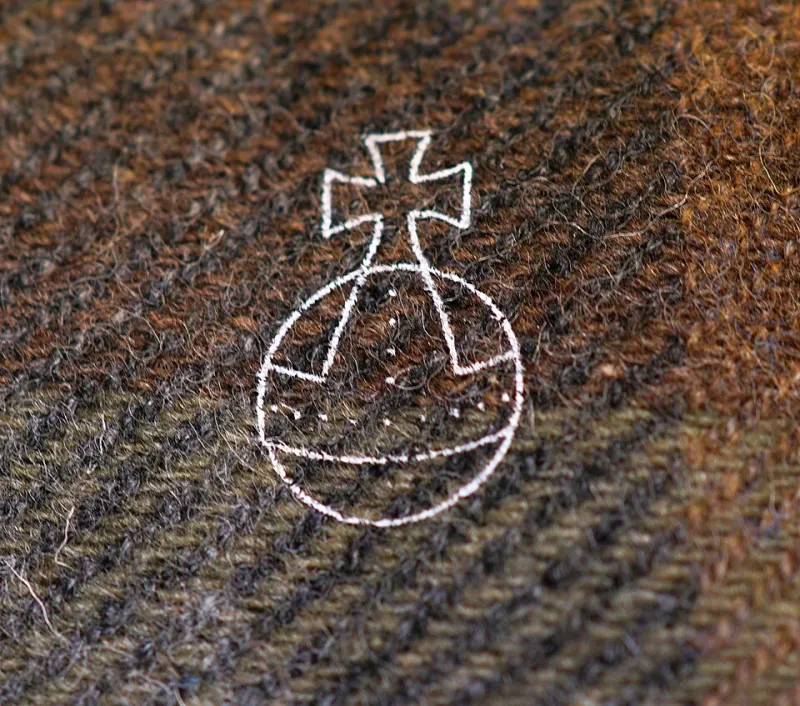
Photo: Giftzwerg 88, CC BY-SA 3.0, via Wikimedia Commons
There was a time, not so long ago, when tweed risked becoming a punchline. associated with stuffy country pursuits and wardrobe departments dressing period dramas, it seemed destined for the back of the rail. Then something curious happened: the fabric came back — not as nostalgia, but as relevance.
Walk through any British city today and you'll spot it: a Harris tweed overshirt worn with white trainers, moleskin trousers paired with a technical parka, a Donegal knit under a bomber jacket. Heritage cloth has been liberated from costume, and the results are some of the most compelling menswear we've seen in a decade.
The Mills Behind the Movement
The revival is not merely aesthetic; it is industrial. Yorkshire's mills — Linton Tweeds in Carlisle, Hainsworth in Pudsey, and the weavers of the Pennine brontide — have reported renewed demand from a generation of designers who might once have defaulted to Italian wools.
"We're seeing orders from brands whose customers weren't born when we wove for Savile Row in the eighties," one mill manager told us. "Younger designers understand provenance. They want a story stitched into the cloth, and British wool has one."
Harris Tweed, protected by its own Act of Parliament and woven in the Outer Hebrides by hand, has become the emblem of this shift. Its certification — the famous orb stamp — offers something fast fashion cannot: traceability you can hold in your hand.
Why Now?
Several currents have converged. Sustainability has moved from niche concern to mainstream expectation, and a jacket built to last thirty years is the ultimate riposte to disposable clothing. Meanwhile, the post-pandemic appetite for texture and tactility — cloth with weight, weave and warmth — has played directly to tweed's strengths.
There is also a quieter cultural factor. As menswear has relaxed, the line between country and city dressing has blurred. What was once 'country' kit now reads as character. A moleskin jacket in a London pub no longer signals the shooting party; it signals taste.
Styling Tweed Without the Fancy-Dress Problem
The cardinal sin with heritage fabric is over-commitment. Full tweed three-piece, deerstalker, brogues — and you're in a re-enactment society. The modern approach is contrast:
- Pair rough with smooth. A tweed blazer over a plain white tee and selvedge denim keeps the cloth as the focal point.
- Limit yourself to one heritage piece per outfit. Tweed jacket, yes; tweed jacket plus moleskin plus brogues, no.
- Modernise the silhouette. Softer shoulders, shorter lengths and slimmer trousers prevent the fabric from overwhelming the frame.
- Embrace unexpected colours. Lavender, rust and bright overchecks — staples of contemporary mill output — feel current in a way that muddy browns may not.
Investing Wisely
Heritage cloth rewards patience. When buying, prioritise weight (a 400gsm tweed will outlast anything lighter), check for a proper half or full canvas construction in jackets, and favour natural fibres over blends. Expect to pay £300–600 for a quality tweed jacket from the likes of Cordings, Walker Slater or Drake's — a sum amortised over decades of wear, it's arguably the best value in menswear.
Care matters too: brush rather than dry-clean, air after wear, and store on broad wooden hangers. Treated this way, a good jacket becomes an heirloom.
A Revival, Not a Requiem
Sceptics will call this a trend, and perhaps the silhouette will evolve. But cloth woven to survive Hebridean gales and Yorkshire winters does not go out of fashion — it merely waits. The modern gentleman, it turns out, has simply caught up with it.