Sticky Floors and Sudden Downpours: The Only Honest Test a British Outfit Can Face

Photo: Pottery Fan: photo of greek art created about 500 BC by Douris, CC BY-SA 3.0, via Wikimedia Commons
There is a photograph of you somewhere, taken on a friend's birthday, in which you look impeccably turned out. Sharp jacket, considered shoes, the whole ensemble arranged with real intent. What the photograph cannot show is what happened an hour later: a pint of pale ale launched across the table by an over-enthusiastic handshake, a monsoon between the venue and the taxi rank, and a walk home across pavement that had been cleaned, at best, in the previous century.
This is the reality of dressing in Britain. Our clothes are not worn in studios. They are worn in pubs with carpets that have absorbed more history than the British Library, on pavements that turn hostile the moment rain arrives, and in weather that cannot make up its mind between course and course. And yet much of modern menswear — the fragile, sun-drenched stuff imported from warmer climates — seems designed for a life we simply do not lead.
The Climate Is the Client
Start with the weather, because everything else follows from it. A British autumn day can deliver four seasons before lunch, and any garment that cannot shrug off a squall is a liability. This is precisely why waxed cotton earned its place in the national wardrobe. Born of practicality — waterproofing sailcloth for fishermen — it was never meant to be precious. It scuffs, it creases, it develops a patina that is essentially a diary of your evenings out. A crease in a linen suit is a failure; a scuff on a waxed jacket is character.
The same logic governs tweed. A densely woven wool with a hand-raised finish, it was engineered by farmers and estate workers who could not pop indoors when the sky turned. It repels light rain, resists thorn and tear, and insulates even when damp. No Italian summer fabric can make that claim, which is why the delicate, open-weave blazer that looks so beguiling on the Amalfi coast tends to look forlorn and bedraggled by the time it reaches a Manchester bus stop.
Footwear That Has Seen Things
If you want to understand the difference between continental delicacy and British pragmatism, look at the soles. The classic Goodyear-welted derby is our footwear philosophy in miniature: chunky, correctable, and built to be resoled rather than replaced. A welted sole can be rebuilt; a Blake-stitched Italian loafer, elegant as it is, tends to surrender entirely the first time it meets a soaked high street.
The derby itself deserves more credit than it receives. Its open lacing system — the quarters stitched over the vamp — makes it more forgiving and more water-resistant than the sleeker oxford. That slight visual heaviness, so often criticised by minimalist dressers, is a feature. It is a shoe with grip, with presence, with a sole that does not dissolve on wet cobblestones. Choose it in dark brown grain leather and it will shrug off scuffs that would end a patent finish on the spot.
Denim With a Work Ethic
Heavyweight denim tells the same story. Twelve ounces and above, raw or lightly rinsed, it was designed for men who swung hammers for a living. It fades rather than frays, absorbs the odd spill without complaint, and looks better after a year of honest wear than it did new. The skinny, stretch-laden jeans that dominated the last decade were, in truth, a borrowed garment — engineered for climate-controlled interiors and dry evenings. They were never really ours.
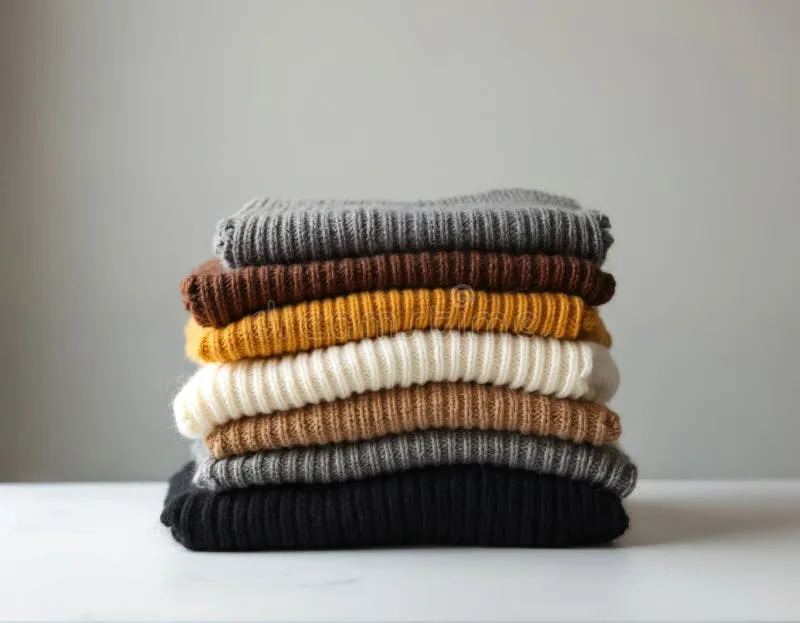
There is a broader principle here. The pieces that endure in British menswear — the waxed jacket, the derby, the moleskin trouser, the heavy knit, the proper brolly — share a common DNA. They are unfussy, repairable, and indifferent to minor disasters. They do not ask to be admired. They ask to be relied upon.
Passing the Test
So here is a proposal, offered as a personal standard rather than a rule. Before buying anything, run it through what I have come to call the pub carpet test. Picture the garment on a Friday night out: the spilled drink, the unexpected downpour, the absence of a coat check, the walk between venues. If the honest answer is that the piece would be ruined, or would render you miserable, it has failed — however good it looked under shop lighting.
This is not an argument for dressing like a fisherman. A well-cut flannel suit, a merroll loafer with a rubber sole, a waxed cotton overshirt over fine knitwear — all of these pass with room to spare. Elegance and resilience are not opposites; the best British dressing has always held both. It simply means choosing the grain leather over the polished, the welted sole over the glued, the wool with a bit of tooth over the gauze.
The Italians gave us beautiful clothes, and we should be grateful. But Britain gave its clothes a harder brief: survive the weather, survive the evening, survive us. Dress for the life you actually lead — sticky floors, sudden rain and all — and you will never once look overdressed for it, nor let down by it.