The Unstructured Blazer: Britain's Most Neglected Piece of Tailoring
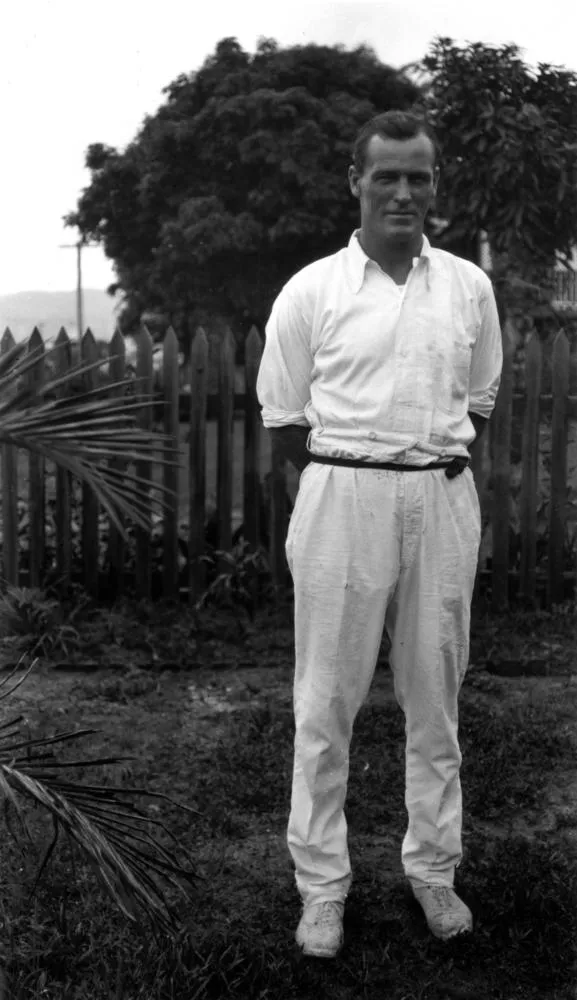
Photo: Unknown, Public domain, via Wikimedia Commons
There is a peculiar gap in the British man's wardrobe. Below the suit jacket sits the hoodie; above the Harrington sits the overcoat. In between — that vast territory covering the pub, the office on a Thursday, Sunday lunch with the in-laws and the school run — most men simply shrug. They reach for a fleece, or a navy bomber, or nothing at all.
This is a mistake, and it is time somebody said so plainly: the casual blazer is the single most underused weapon available to the modern British gentleman. Not the structured, canvassed thing you wear to interviews — the soft, unstructured cousin that costs less, travels better and works harder than almost anything else you'll buy this year.
Why the Blazer, and Why Now?
British life is awkwardly informal. Offices that once demanded ties now flinch at them. Weddings ask for 'smart casual', a phrase that has tormented men for decades. Meanwhile, the pub remains the true boardroom of the nation, and turning up in a full suit reads as either desperation or delusion.
The unstructured blazer solves all of this at once. Because it lacks heavy canvassing, shoulder pads and fused linings, it drapes like a cardigan but behaves like tailoring. Thrown over a plain tee and dark jeans, it lifts the whole ensemble from 'gave up' to 'considered'. Paired with chinos and an Oxford shirt, it will carry you through a gastro-pub lunch without a whisper of stiffness.
It is, in short, the garment equivalent of a firm handshake delivered by someone who isn't trying too hard.
Choosing Your Fabric
The joy of the casual blazer is that the cloth does the seasonal heavy lifting. Three options cover the British calendar:
- Cotton twill. The workhorse. Durable, matte and unpretentious, a cotton twill blazer in navy, olive or stone handles drizzle and daily wear without complaint. Many are machine washable — genuinely a revelation for those of us who regard dry-cleaning as a tax on optimism.
- Linen blends. Pure linen creases with the enthusiasm of a man who's had four pints; a linen-cotton or linen-wool blend tames that into something charmingly rumpled rather than dishevelled. Essential for June weddings and any occasion involving a beer garden.
- Brushed wool. For autumn and winter, a soft brushed wool or wool-flannel blazer in herringbone or a muted check gives warmth without the formality of suiting. It plays beautifully with knitwear.
Buy in the quieter end of the palette. A casual blazer in bright blue is a costume; in slate or moss, it is a staple.
The Fit Pitfalls That Give It a Bad Name
The casual blazer's reputation suffers not from the garment but from its misuse. Three sins recur:
The interview hangover. A structured jacket worn casually looks like you've wandered in from a graduate scheme assessment. If the shoulders are rigid and the lapels glossy, leave it for formal occasions.
The borrowed look. Too long in the body and the blazer swallows you; the hem should sit roughly at the base of your thumb, the shoulder seam at the bone. Unstructured tailoring is forgiving, not elastic.
The over-dress. Pairing a blazer with a tie, pocket square and brogues on a casual outing is a costume change, not an outfit. Keep the rest of the outfit deliberately relaxed — a crew-neck tee, a washed Oxford shirt — and let the jacket do the talking.
Wearing It Without Apology
The trick, if there is one, is confidence through understatement. Roll the sleeves once, loosely. Wear it with white leather trainers or suede loafers, never both at once. Let the jacket look lived-in; that is its entire charm.
A good unstructured blazer should feel like a habit rather than a decision — the thing you reach for on a Saturday morning without thinking, because it makes the day look slightly more intentional than it otherwise might.
Every British man will, at some point this month, be invited somewhere that is neither formal nor casual. Most will get it wrong. You won't.